
Our Impact Areas
LEAD makes a lasting difference in the lives of underserved groups and communities by helping them raise incomes and access basic socio-economic services. We focus on four key sectors:
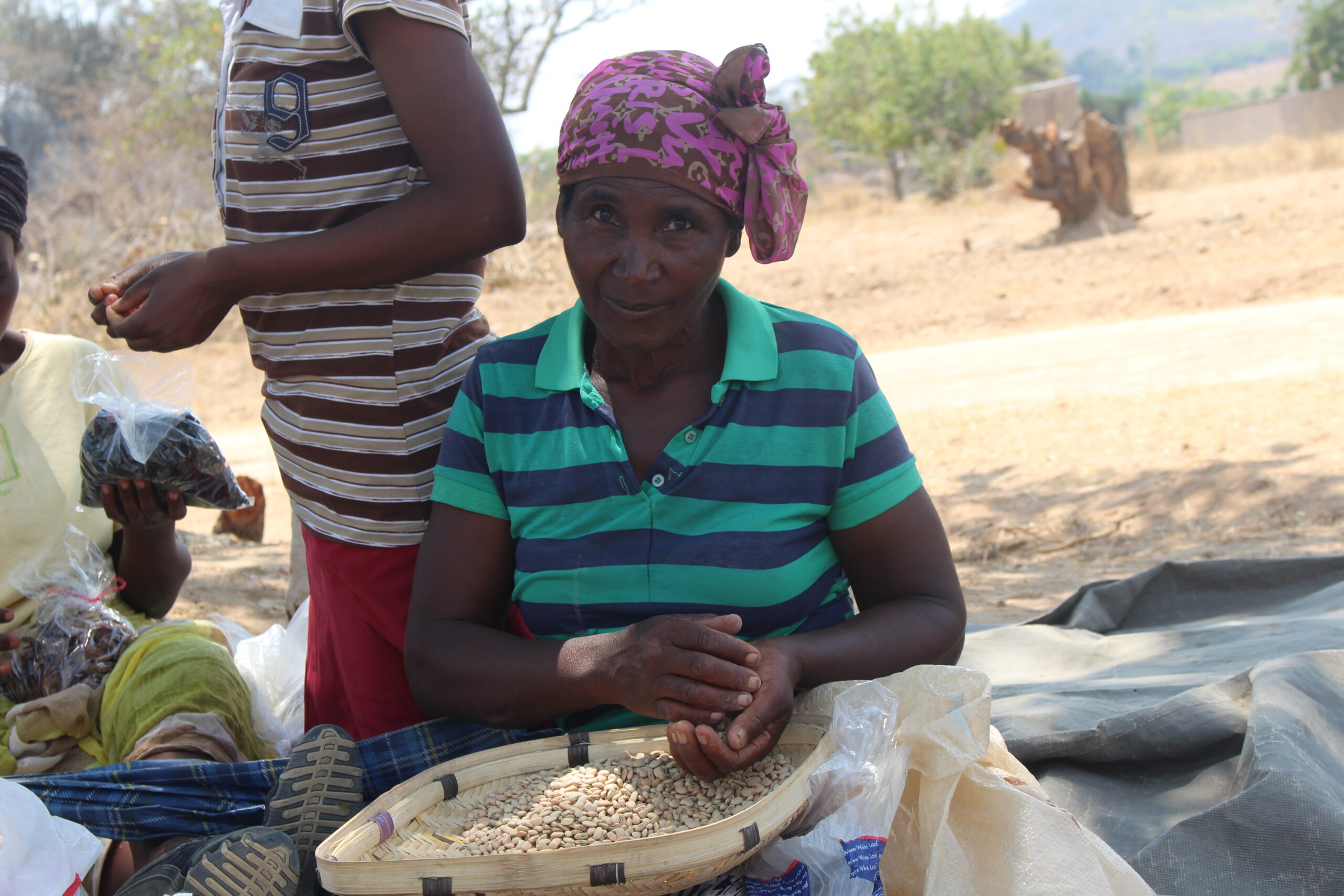
Food Security, Resilience & Livelihoods
- Sustainable agricultural practices
- Climate-smart agriculture
- Market linkages for smallholder farmers
- Community resilience building programs
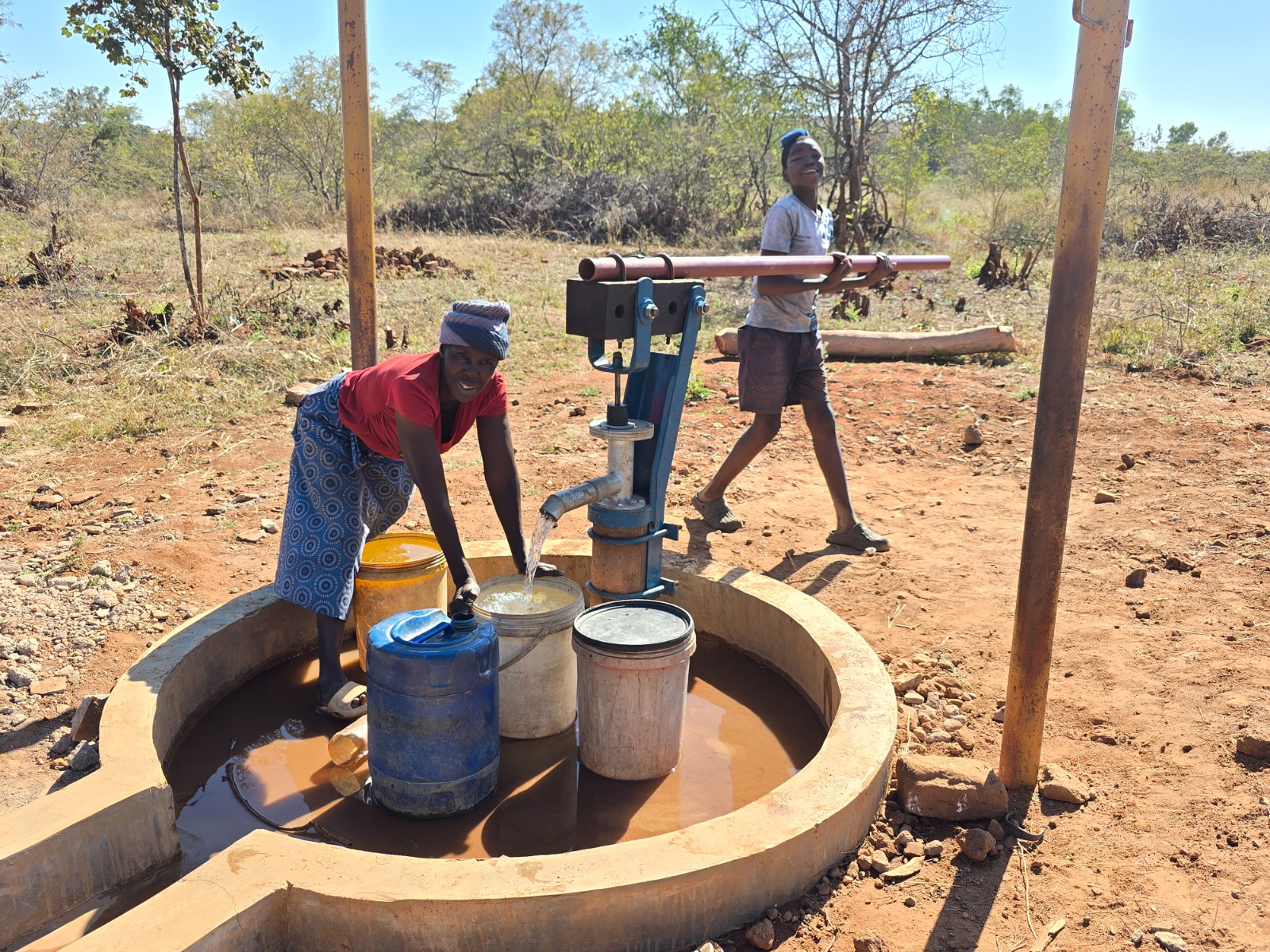
WASH (Water, Sanitation & Hygiene)
- Clean water access initiatives
- Sanitation facility construction
- Hygiene education and behavior change
- Community WASH committees

Health & Nutrition
- Household nutrition gardens
- Nutrition education programs
- Support for vulnerable populations
- Health systems strengthening
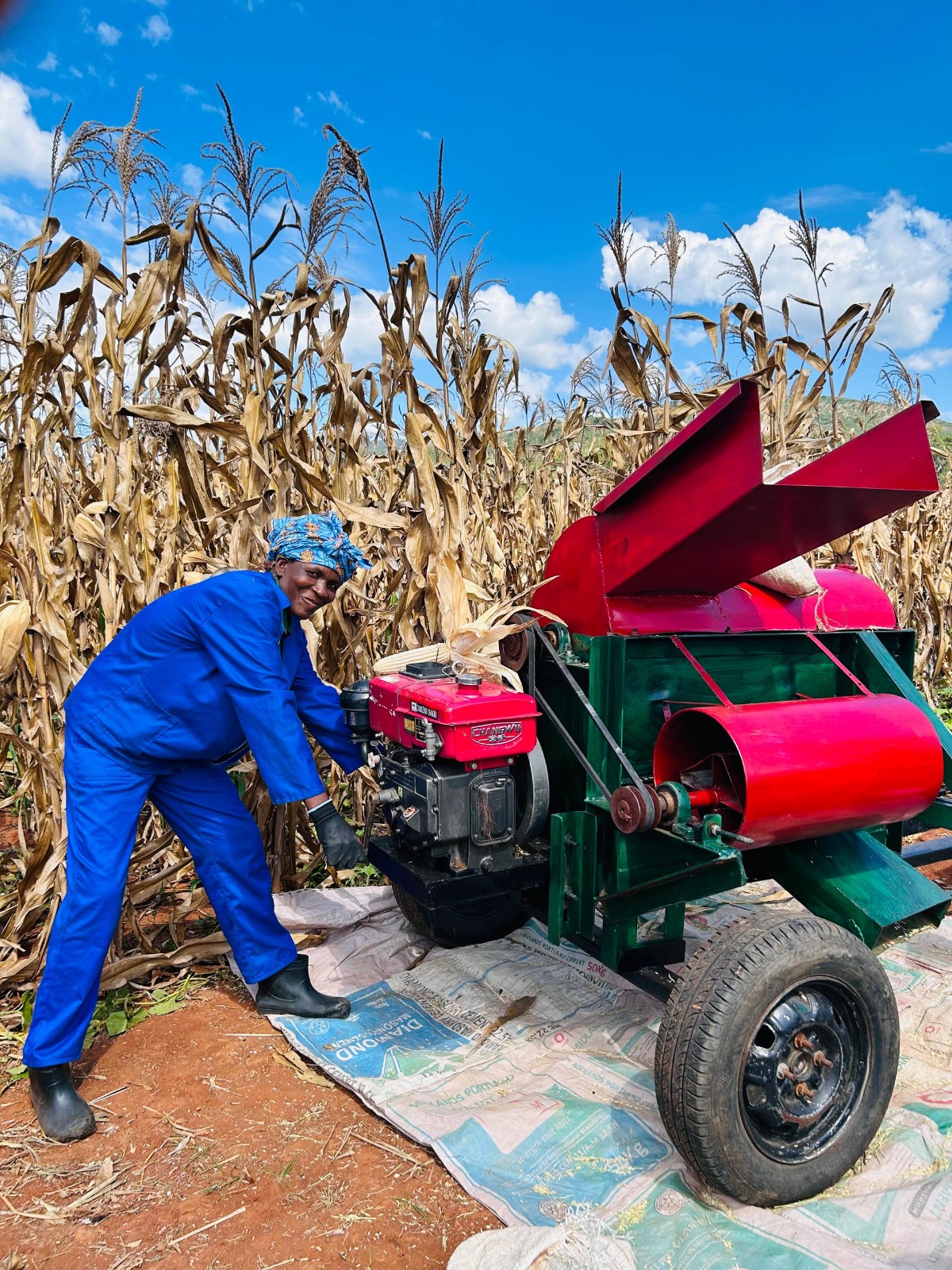
Enterprise Development & Commercialization
- Business skills training
- Value chain development
- Market access facilitation
- Entrepreneurship support
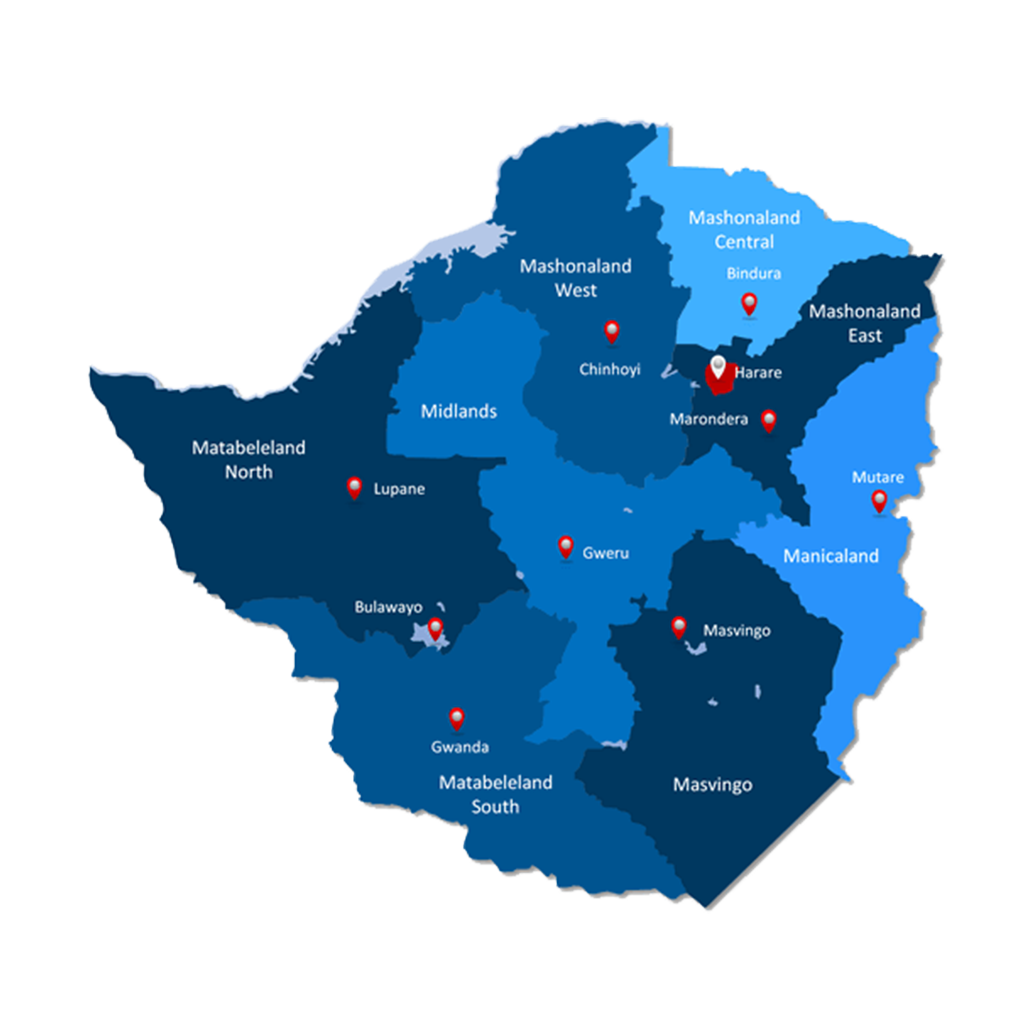
Geographic Coverage
We operate across Zimbabwe with presence in key provinces and urban areas.
Our Impact Process
How we create lasting change in communities
Assessment
Community needs analysis
Planning
Strategy development
Implementation
Program execution
Monitoring
Performance tracking
Evaluation
Impact assessment
Our Impact in Numbers
Measurable results that demonstrate our commitment to community development
LEAD’s Key Focus & Approach
Our work is designed to strengthen livelihoods, build resilience, and create inclusive economic growth — with communities participating at every stage.
Agribusiness and Enterprise Development
Supporting sustainable agribusiness ventures and stronger rural enterprise performance.
Climate Smart Agriculture
Improving productivity while minimizing environmental impact and adapting to climate risks.
Promote Collective Entrepreneurship
Capacity building of farmer groups and associations for collaboration and collective bargaining.
Resilience Building
Strengthening households and communities to withstand environmental and economic shocks.
Smallholder Farmers
Improving access to skills, markets, and inputs to grow profitable enterprises.
Youth and Women
Enabling inclusive opportunities through training, finance readiness, and market linkages.
Vulnerable Groups
Targeted support to strengthen food security, income stability, and wellbeing.
Disabled
Ensuring access to resources, training, and market opportunities without barriers.
Market System Development
Creating sustainable linkages between producers and markets through strong value chains.
Community Participatory
Participatory approaches that ensure community voices guide design and implementation.
Public Private Partnerships
Collaborating with private and public stakeholders to unlock markets and investment.
Capacity Building and Training
Training and knowledge-sharing to scale agribusiness, entrepreneurship, and CSA best practices.
What We Seek to Achieve
Practical outcomes that improve livelihoods, strengthen market systems, and ensure that women, youth, and people living with disabilities participate fully in economic opportunities.
1 Enhanced Agribusiness and Enterprise Development
- Foster sustainable agribusiness ventures among smallholder farmers, particularly youth and women.
- Increase access to markets and improve the profitability of agricultural enterprises through training and support.
2 Implementation of Climate Smart Agriculture
- Promote practices that enhance productivity while minimizing environmental impact.
- Equip farmers with knowledge and tools to adapt to climate change, ensuring long-term sustainability.
3 Strengthened Collective Entrepreneurship
- Build the capacity of farmer groups and associations to improve collaboration, resource sharing, and collective bargaining.
- Facilitate networking opportunities that empower farmers to leverage their collective strength.
4 Improved Resilience Building
- Enhance the capacity of vulnerable groups, including smallholder farmers, youth, women, and disabled individuals, to withstand environmental and economic shocks.
- Implement strategies that promote food security and income stability.
5 Inclusive Economic Growth
- Ensure that marginalized groups, such as women, youth, and disabled individuals, have equal access to resources, training, and market opportunities.
- Develop programs that specifically address the unique challenges faced by these groups.
6 Strengthened Market Systems
- Utilize market system development approaches to create sustainable linkages between producers and markets.
- Foster public-private partnerships that enhance market access and create value chains benefiting all stakeholders.
7 Community Empowerment and Participation
- Engage target groups in participatory approaches, ensuring that their voices and needs inform project design and implementation.
- Build community ownership of initiatives to promote sustainability and long-term impact.
8 Capacity Building and Training
- Provide targeted training programs that enhance skills in agribusiness, climate-smart practices, and entrepreneurship.
- Facilitate workshops and knowledge-sharing sessions to disseminate best practices and innovations.
Ready to Make an Impact?
Partner with us to create sustainable change in communities across Zimbabwe.
Learn More About Our Projects